Cross-Border Loyalty Networks Reshaping Digital Gaming Rewards
Mia Wagner · Oct 26, 2026
Cross-Border Loyalty Networks Reshaping Digital Gaming Rewards
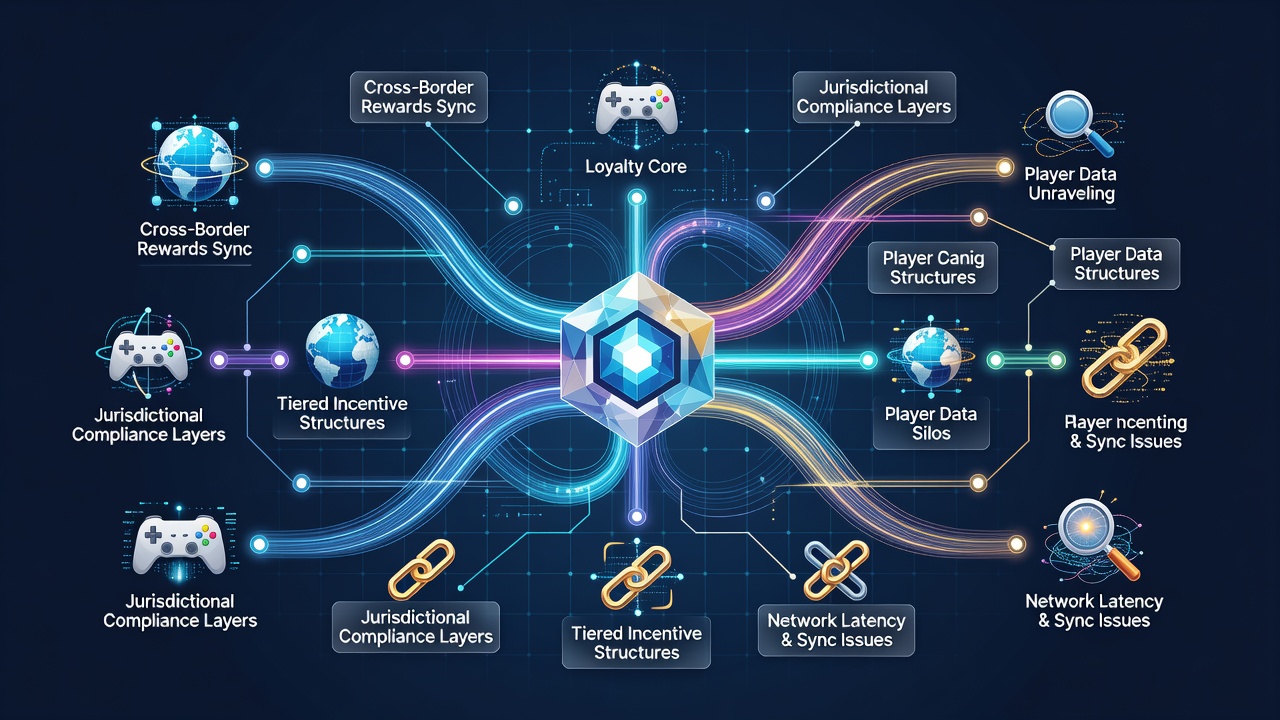
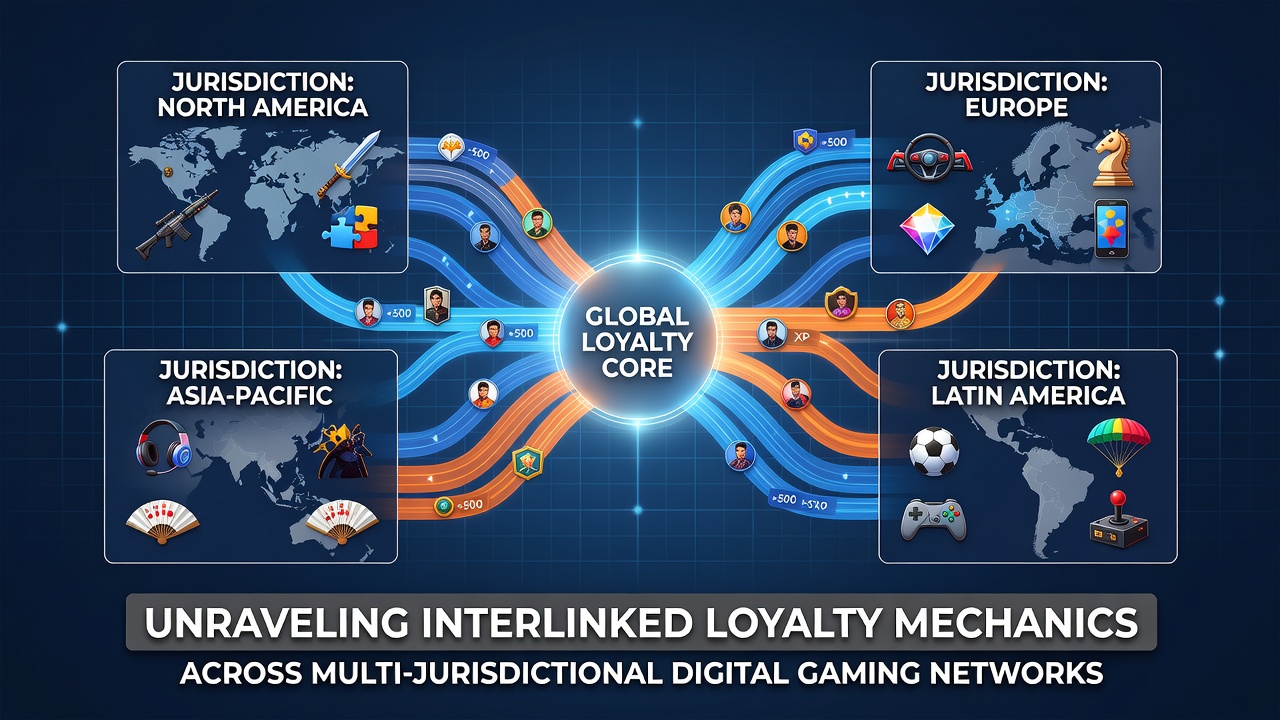
Digital gaming operators have built loyalty frameworks that span multiple regulatory zones, allowing players to accumulate and redeem rewards across separate platforms while operators navigate distinct legal requirements in each jurisdiction. These systems connect through shared databases and standardized protocols that track player activity from one region to another, yet each participating authority maintains its own rules on data handling, taxation, and player protections. Researchers at academic institutions have documented how points earned in one market convert at fixed ratios when transferred to another, creating seamless experiences for users who move between sites licensed in Europe, North America, and Asia-Pacific territories.
Operators achieve this linkage by partnering with technology providers that specialize in compliance layers, ensuring every transaction meets the standards set by bodies such as the Nevada Gaming Control Board and the Alcohol and Gaming Commission of Ontario. Data flows through encrypted channels that log every point issuance and redemption, producing audit trails that regulators review during periodic examinations. According to industry reports released in October 2026, interlinked programs now cover more than 180 licensed platforms worldwide, with total loyalty balances exceeding 12 billion accumulated points across participating networks.
Core Components of Interlinked Systems
Each loyalty program operates on a tiered structure where player status levels determine reward rates, yet the tiers themselves sync across borders through centralized servers that update in real time. A player reaching platinum status in a Canadian site automatically receives equivalent benefits when accessing a partner platform in Australia, because the underlying algorithms map status thresholds to identical benefit schedules regardless of local currency or game mix. Payment processors integrate directly with these loyalty engines so that deposit bonuses and cashback offers convert into points without manual intervention, reducing friction for users who switch devices or locations.
Security protocols rely on multi-factor authentication combined with behavioral analytics that flag unusual redemption patterns before points leave one jurisdiction for another. These safeguards align with guidelines issued by the Australian Communications and Media Authority, which requires operators to verify player identity at every cross-border transfer above a defined threshold. Operators have reported that such verification steps add seconds to transaction times yet prevent the majority of attempted fraud cases documented in earlier years.
Regulatory Variations Across Regions
Jurisdictions impose different caps on maximum point balances and redemption values, forcing operators to maintain separate ledgers that reconcile at daily intervals. In some markets, points carry no cash value until redeemed for non-gaming goods, whereas others allow direct conversion to account credits after a mandatory holding period. Legal teams track these differences through dedicated compliance software that alerts staff when a player's activity approaches any regional limit, preventing inadvertent violations that could trigger fines or license reviews.
Tax treatment also differs, with some governments treating loyalty redemptions as taxable income while others classify them as marketing expenses borne by operators. Financial filings submitted to European authorities in late 2026 revealed that operators allocated increasing portions of revenue toward maintaining separate tax reserves for each linked jurisdiction. These accounting practices ensure that cross-border redemptions do not create unexpected liabilities when annual returns become due.
Technology Enabling Seamless Transfers
Application programming interfaces connect disparate casino management systems so that a single player profile remains consistent whether accessed from a desktop in one country or a mobile device in another. Blockchain-based ledgers have begun appearing in pilot programs, recording point movements in immutable blocks that any participating regulator can inspect without requesting data from foreign servers. Early adopters note that these distributed records cut reconciliation times from days to minutes while satisfying transparency demands from multiple oversight agencies simultaneously.
Artificial intelligence models predict player migration between jurisdictions and adjust point earning rates to maintain engagement, yet all adjustments undergo human review to confirm they respect local advertising and bonus regulations. One European gaming association study found that AI-assisted rate changes increased retention metrics by measurable margins without increasing regulatory queries during the same period.
Player Experience and Operational Realities
Users encounter unified dashboards that display total points across every linked platform, along with estimated redemption values expressed in their preferred currency. Customer support teams trained on multi-jurisdictional rules handle inquiries about transfers that cross regulatory lines, providing explanations grounded in the specific statutes governing each involved territory. Feedback collected through post-transaction surveys shows that players value the convenience yet request clearer explanations of conversion fees, prompting operators to publish detailed fee schedules on account pages.
Operators invest heavily in staff training programs that cover the latest rule changes from every participating authority, because a single misstep in one market can affect point validity for users in all connected regions. Annual compliance conferences bring together legal, technical, and marketing teams to review case studies and update internal procedures before new regulations take effect.
Conclusion
Interlinked loyalty mechanics continue to evolve as operators refine technical connections and regulators clarify expectations around data sharing and player protections. Current implementations demonstrate that coordinated systems can deliver consistent rewards while respecting the distinct legal frameworks operating in each jurisdiction. Ongoing developments in October 2026 suggest further integration through emerging standards that may reduce reconciliation overhead and expand the range of redeemable benefits available to players who participate across multiple licensed networks.