Geofencing Technologies Reshaping Access Controls for Digital Casino Platforms in Regulated Markets
Viktor Werner · Sep 28, 2026
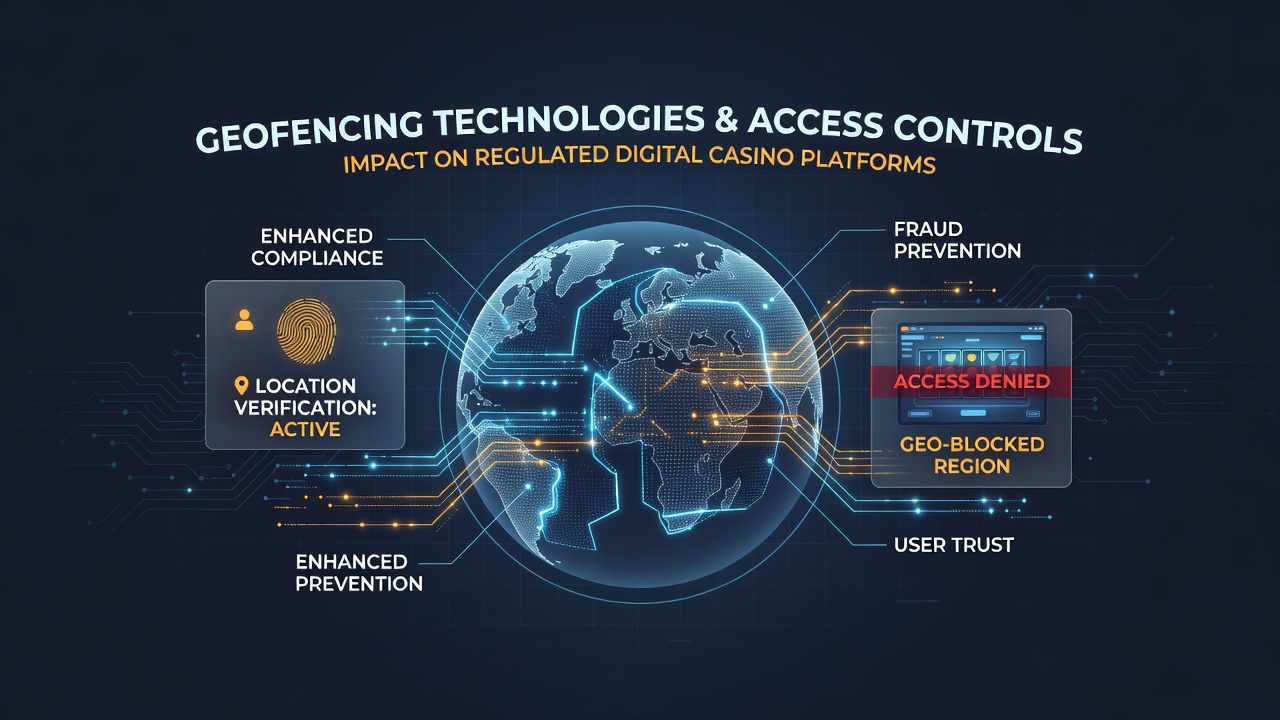
Geofencing Technologies Reshaping Access Controls for Digital Casino Platforms in Regulated Markets
Geofencing technologies rely on GPS, Wi-Fi, and cellular data to create virtual boundaries around specific geographic areas, and these systems now play a central role in enforcing access rules on regulated digital casino platforms. Operators integrate geofencing to verify that users remain within jurisdictions where online gambling holds legal approval, which prevents unauthorized logins from restricted locations and supports compliance with state or national laws. Data from regulatory filings shows that platforms in multiple regions adopted these tools more widely after 2024 expansions in mobile gaming markets, with implementation rates climbing steadily into September 2026.
Core Mechanics Behind Geofencing in Casino Environments
Systems detect a device's location through a combination of satellite signals and network triangulation, then compare that position against predefined zones that correspond to legal gambling territories. When a user attempts to log in or place a wager, the platform checks the coordinates in real time and either grants or denies entry based on whether the location falls inside the approved perimeter. This process runs continuously during sessions because many regulations require ongoing verification rather than a single check at login, and operators often combine geofencing with IP address validation plus device fingerprinting to reduce false positives from VPNs or spoofing attempts.
Research from academic studies on location-based services indicates that accuracy rates for modern geofencing reach above 95 percent in urban areas with dense network coverage, though rural zones sometimes experience signal gaps that trigger secondary authentication steps. Those who've studied deployment logs note that platforms adjust boundary buffers by a few hundred meters to account for natural drift in GPS readings, which helps maintain service continuity without compromising rule enforcement.
Effects on User Access and Platform Operations
Access controls tightened noticeably once geofencing became standard, as users outside permitted zones receive immediate blocks while legitimate players inside the area enjoy seamless entry. This shift reduced the volume of manual reviews that compliance teams previously handled, and operators reported faster processing times for account activations in markets where location rules apply strictly. Figures from industry reports reveal that platforms using these technologies cut unauthorized access attempts by measurable margins, particularly in states that legalized online play after 2023.
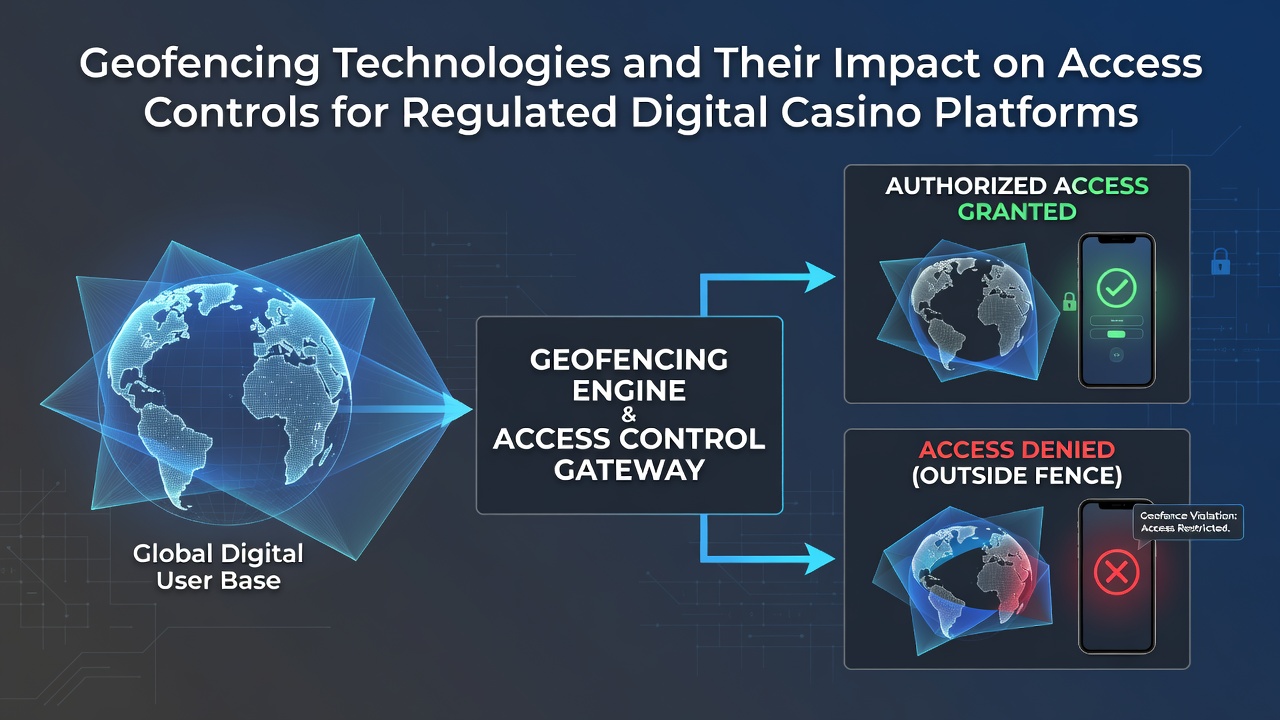
Yet challenges persist when devices cross boundary lines mid-session, prompting systems to pause play and prompt relocation checks. Observers note that such interruptions occur more often near state borders or in areas with overlapping regulatory zones, which forces platforms to design clear user notifications that explain the pause without revealing sensitive compliance details. In September 2026, several North American operators updated their geofencing maps to reflect new tribal and state compacts, demonstrating how the technology adapts to evolving legal landscapes.
Regulatory Alignment Across Regions
European markets outside the United Kingdom have leaned on geofencing to align with national licensing frameworks, while Canadian provinces and Australian states apply similar location gates to their licensed sites. A report issued by the Canadian Gaming Association highlights that geofencing integration helped provincial regulators confirm that over 98 percent of wagers originated from within approved borders during the first half of 2026. Those figures come from aggregated platform data submitted quarterly, which regulators cross-reference against census-defined gambling zones.
One case involved a multi-state operator in the United States that expanded into additional jurisdictions; the company linked its geofencing database directly to state gaming commission portals so that boundary updates propagate automatically when laws change. This connection reduced the lag between regulatory announcements and technical enforcement, a step that compliance officers described as essential for avoiding fines during audits. External sources such as federal Canadian business resources on gambling oversight and Mississippi Gaming Commission technical guidelines provide further context on how these location tools fit into broader licensing conditions.
Technical Limitations and Ongoing Adjustments
Signal interference from tall buildings, tunnels, or adverse weather can briefly disrupt geofencing accuracy, which leads platforms to deploy fallback methods like Wi-Fi-based positioning or manual address confirmation. Researchers at technical institutes have examined these edge cases and found that hybrid models combining multiple data sources lower error rates more effectively than single-method approaches. Platforms also maintain audit logs of every location check, creating records that regulators review during routine inspections to verify consistent application of the rules.
Security teams continue to monitor attempts at location spoofing through emulator software or modified GPS feeds, and updates to detection algorithms occur at regular intervals to stay ahead of new circumvention tactics. Data indicates that the combination of geofencing with biometric or multi-factor checks has raised the barrier for such bypass efforts, though no system claims complete immunity.
Conclusion
Geofencing technologies have become embedded in the operational backbone of regulated digital casino platforms because they provide verifiable location data that supports legal access controls. As markets evolve through 2026 and beyond, operators and regulators refine these systems to handle edge cases, integrate new jurisdictional boundaries, and maintain session integrity without unnecessary friction for players inside approved areas. The approach demonstrates how location-aware tools translate regulatory requirements into practical platform features while preserving the ability to audit compliance at scale.